The Technology.
Identical Function, unique Identity.
A material fingerprint is an intrinsic, one-of-a-kind signature — drawn from the natural surface characteristics of a specific component. A timber beam. A ceramic facade panel. etc. Every one is different. CMiD reads that difference and turns it into a stable digital identity. .
4 Steps.From Surface to Data.
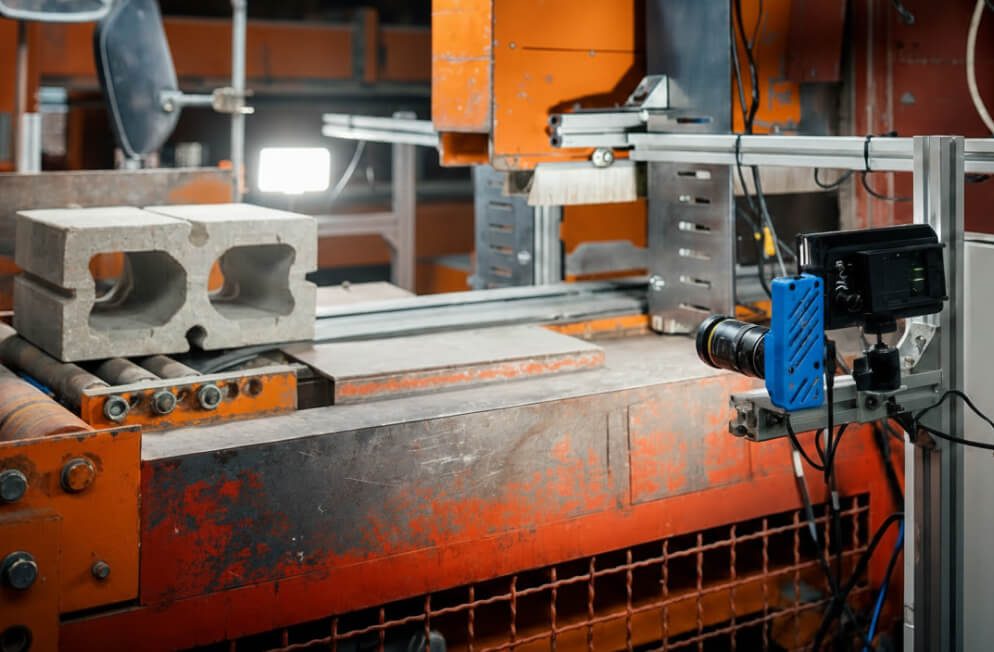
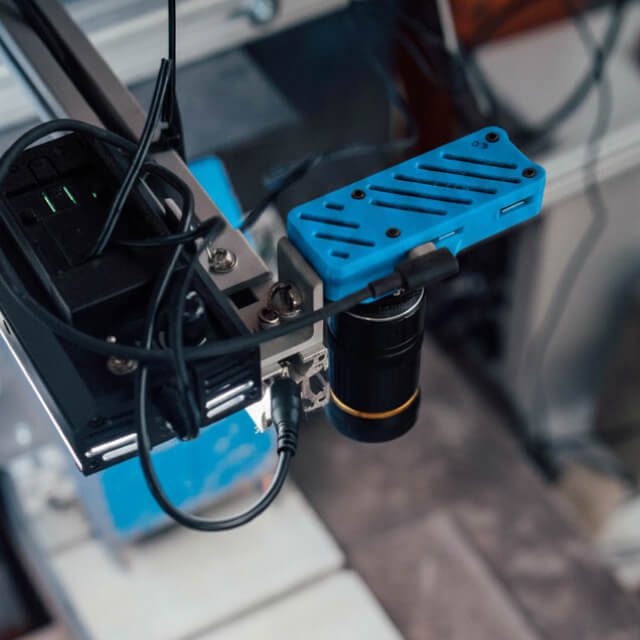
Capture
A standard smartphone or production camera photographs a defined surface area. No specialist hardware required.
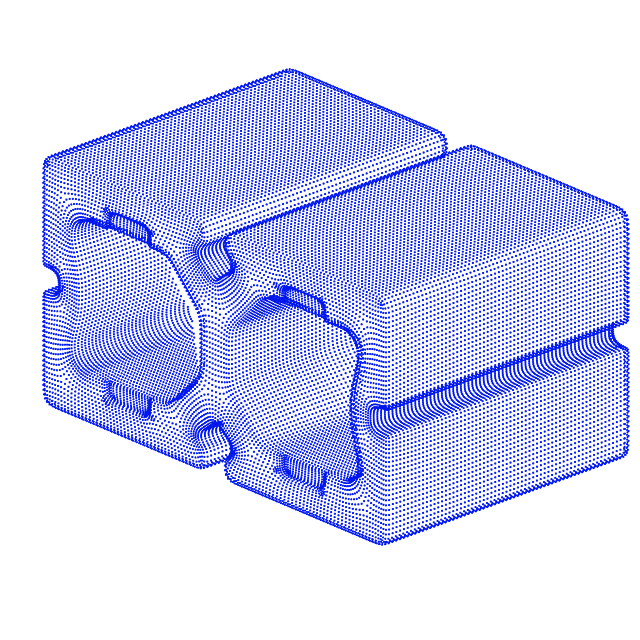

Fingerprinting
CMiD extracts a compact signature from the image — a feature vector that describes the relevant surface structures robustly. This is the patented, marker-less, surface-based Fraunhofer IFAM technology that CMiD licenses exclusively.
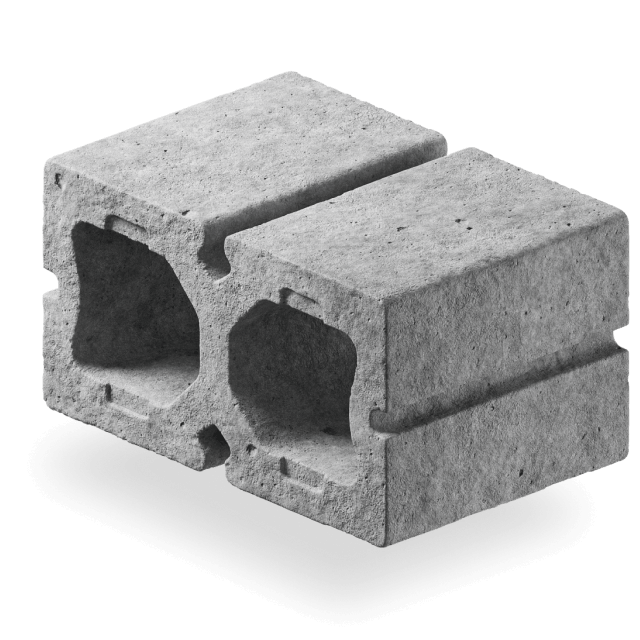
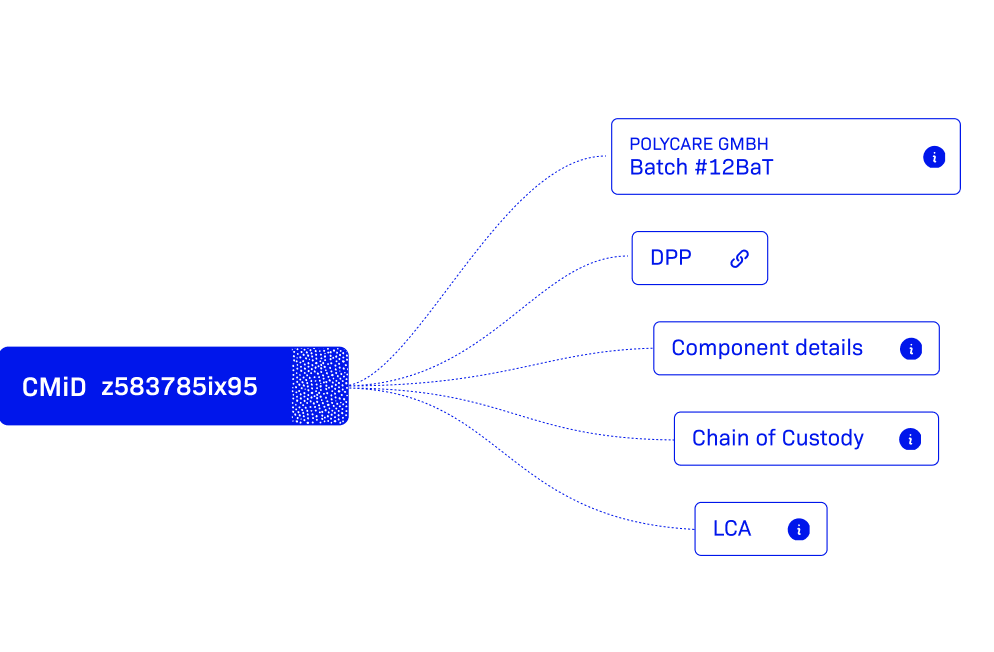
Data linking
Only then are the verified lifecycle data attached via that ID: origin, DPP, certificates, EPD, BIM/ERP references, events. Secure. Persistent. Always accessible.
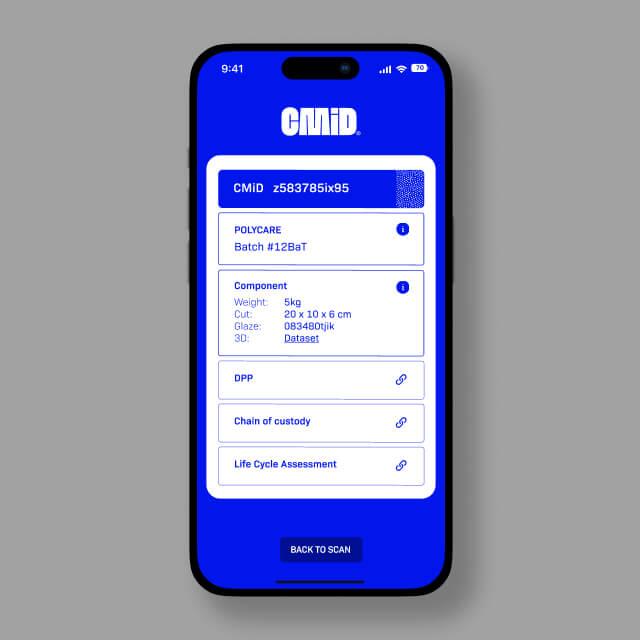
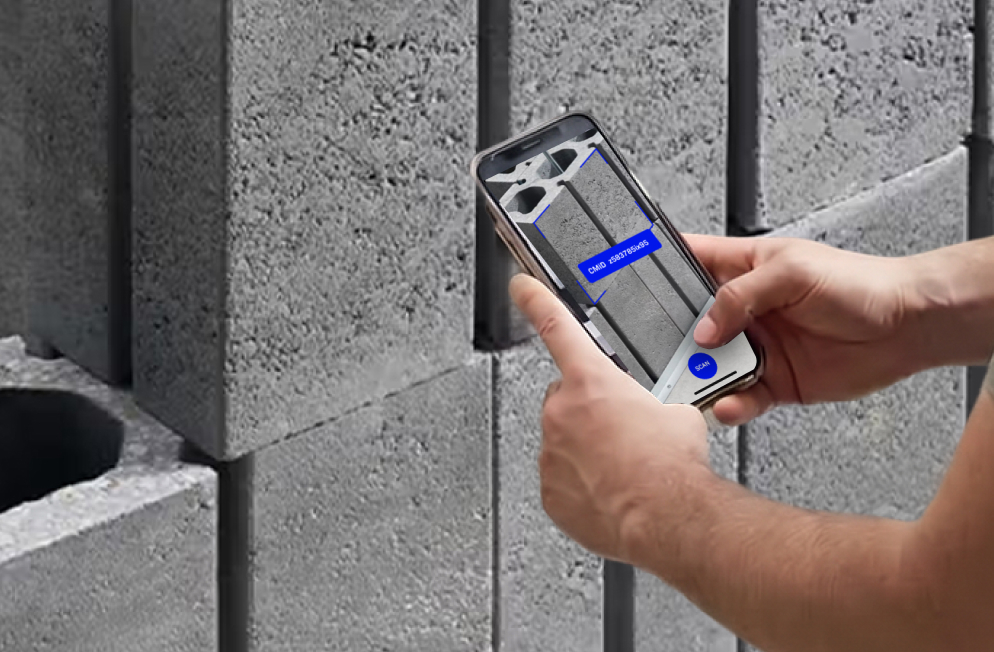
Matching
On any later scan, the same area is captured again and matched against the stored signature. Match — and the associated ID — is returned instantly.
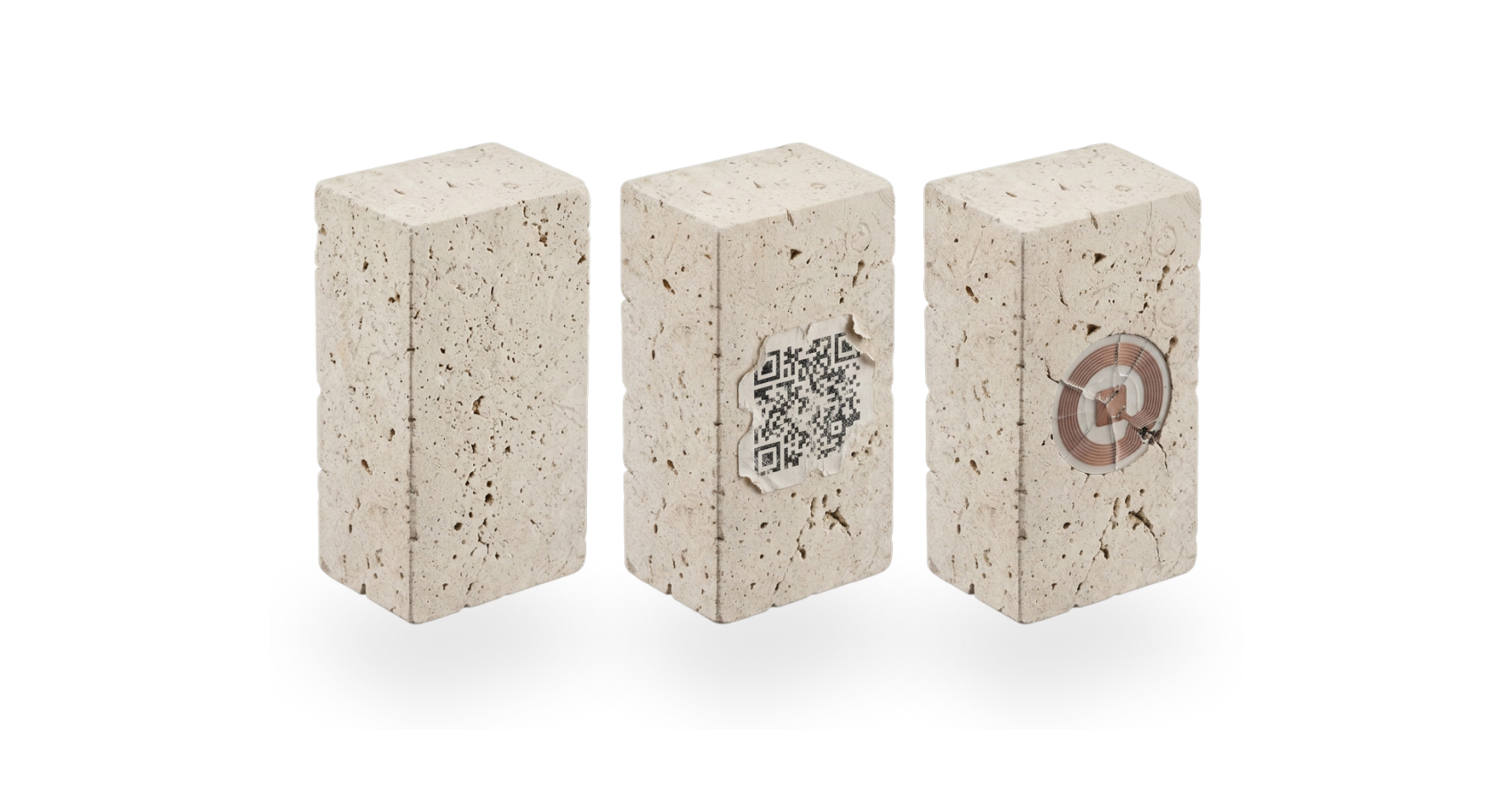
Built to Last. Not Just to Label.
Tags fall off. Chips corrode. Barcodes fade. Because CMiD's fingerprint is the material, it survives everything the material survives — wear, weather, handling, decades on a construction site. No attachment to lose. No medium to fail. As long as the surface exists, .


Engineered for the real world.
Real surfaces aren't pristine. Variable lighting, slight angle changes, the scuffs and scratches of actual use — CMiD is engineered for all of it. It doesn't require a perfect photograph — it requires a real one. That robustness is what makes it deployable at scale: at the end of a production line, on a dusty construction site, or during a stock survey of existing buildings decades later.